
In a world filled with social expectations and online personas, staying true to yourself has become more important than ever. The idea behind being authentic WhatUTalkingBoutWillis highlights the importance of expressing your real personality instead of pretending to meet society’s standards.
Authenticity means aligning your actions, beliefs, and values so that your life reflects who you truly are. When people live authentically, they build stronger relationships, improve mental well-being, and gain deeper self-confidence.
In this guide, you will learn:
- The meaning of being authentic WhatUTalkingBoutWillis
- Why authenticity is important today
- Signs you are not living authentically
- Practical steps to live your true self
- Daily habits for authentic living
By the end of this article, you will clearly understand how to develop authentic self-expression and personal confidence.
Meaning of Being Authentic WhatUTalkingBoutWillis
Being authentic WhatUTalkingBoutWillis refers to living honestly and expressing your true identity without pretending to be someone else.
Authenticity means:
- Staying true to personal values
- Speaking honestly about your thoughts
- Making decisions based on your beliefs
- Avoiding fake behavior to please others
People who live authentically often experience greater confidence and stronger relationships.
You may also like it:
Blog WhatUTalkingBoutWillis – Complete Guide & Features
News Whatutalkingboutwillis – Guide to the Lifestyle Blog
WhatUTalkingBoutWillis com – Guide to the Popular Lifestyle Blog
Origin of the Phrase WhatUTalkingBoutWillis
The phrase “What you talking about, Willis?” became famous from the classic sitcom Diff’rent Strokes. Over time, the phrase evolved into an internet expression used humorously when questioning someone’s statement.
Today, the phrase is often connected to conversations about authenticity and being genuine in social interactions.
Why Authenticity Matters Today
Modern society often encourages people to present idealized versions of themselves, especially on social media. However, constantly trying to impress others can create stress and emotional exhaustion.
Living authentically allows people to:
- Reduce anxiety
- Build honest relationships
- Improve self-confidence
- Develop stronger personal identity
Authenticity is becoming increasingly valuable in both personal and professional life.
Psychological Benefits of Authentic Living
Research in psychology suggests that authentic individuals experience better emotional well-being.
Some key benefits include:
- Increased self-esteem
- Stronger emotional stability
- Greater life satisfaction
- Reduced social pressure
When people express their true identity, they feel more comfortable and confident in their everyday lives.
Signs You Are Not Living Authentically
Many people struggle with authenticity without realizing it.
Common signs include:
- Constantly seeking approval from others
- Hiding personal opinions to avoid conflict
- Feeling exhausted from maintaining a social image
- Changing personality depending on the environment
Recognizing these signs is the first step toward authentic living.
Practical Steps to Live Authentically
Living authentically requires self-awareness and courage.
Here are practical steps you can follow:
- Identify your personal values
- Accept your strengths and weaknesses
- Practice honest communication
- Set healthy boundaries
- Stop comparing yourself to others
Over time, these steps help build confidence and self-respect.
Authenticity Exercises for Daily Life
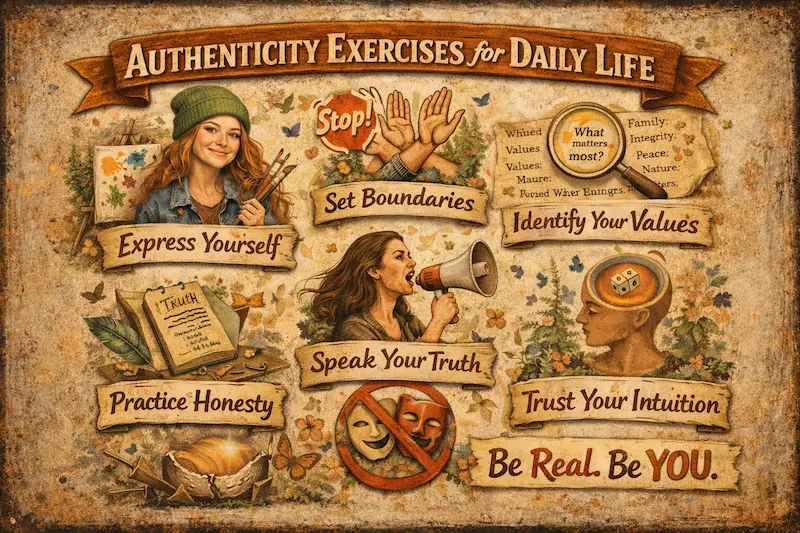
You can develop authenticity through simple daily exercises:
- Write a personal values journal
- Reflect on decisions you made during the day
- Practice expressing your honest opinion respectfully
- Limit social media comparison
These exercises help you understand yourself better.
Authenticity on Social Media
Social media platforms often encourage curated lifestyles and unrealistic comparisons.
To stay authentic online:
- Share real experiences instead of perfect moments
- Avoid comparing your life to others
- Follow accounts that inspire genuine growth
Authentic social media behavior improves mental health.
Don’t skip reading it:
UGGWorldTech Gaming: Features, Benefits & Complete Guide
The Online Gaming Event Undergrowthgameline Guide
Undergrowthgameline Hosted by Under Growth Games – A Guide
Authenticity in the Workplace
Authenticity also plays an important role in professional environments.
Authentic professionals:
- communicate openly
- admit mistakes
- respect their values
- build trust with colleagues
Leaders who demonstrate authenticity often create stronger teams.
Common Myths About Authenticity
Several myths surround the concept of authenticity.
Myth 1: Being authentic means saying anything without filtering
Truth: Authenticity still requires respect and empathy.
Myth 2: Authentic people never change
Truth: Authentic individuals grow while staying true to their values.
Myth 3: Authenticity means rejecting social norms
Truth: It simply means expressing yourself honestly.
Daily Habits to Stay Authentic
Developing daily habits helps maintain authenticity.
Helpful habits include:
- Practicing self-reflection
- Setting personal boundaries
- Spending time with supportive people
- Engaging in activities aligned with your values
These habits strengthen authentic self-expression.
Future of Authentic Self-Expression
As society becomes more digitally connected, authenticity will become even more valuable. People are increasingly seeking genuine relationships, honest communication, and meaningful experiences.
Authenticity will likely remain a key element of personal development and emotional well-being in the future.
Frequently Asked Questions
What does being authentic WhatUTalkingBoutWillis mean?
It refers to expressing your true personality and values without pretending to be someone else.
Why is authenticity important?
Authenticity improves mental health, strengthens relationships, and helps individuals build confidence.
How can someone become more authentic?
You can become more authentic by developing self-awareness, identifying personal values, and practicing honest communication.
Can authenticity improve relationships?
Yes. Authentic communication builds trust and deeper emotional connections between people.
Conclusion
Being authentic WhatUTalkingBoutWillis represents the powerful idea of living truthfully and expressing your real self. In a world filled with expectations and comparisons, authenticity allows individuals to build confidence, strengthen relationships, and experience genuine happiness.
By developing self-awareness, practicing honest communication, and maintaining daily habits aligned with personal values, anyone can learn to live a more authentic and fulfilling life.