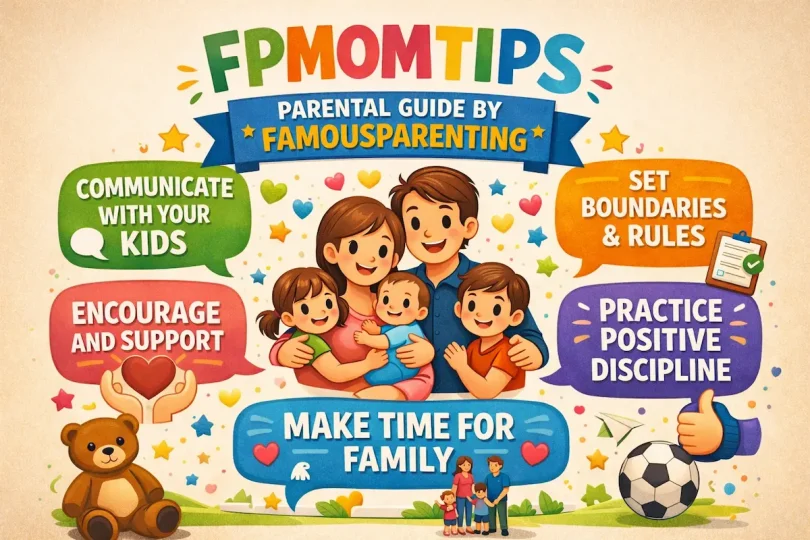

Parenting is one of the most rewarding experiences in life, but it also comes with constant challenges. Every parent wants to raise confident, responsible, and emotionally healthy children, yet balancing discipline, love, guidance, and modern pressures is not always easy.
The FPMomTips parental guide by FamousParenting offers a practical and thoughtful approach to modern parenting. Instead of complex theories, it focuses on real-life strategies parents can apply daily to build strong relationships, guide children effectively, and create a supportive family environment.
This guide helps parents understand how to nurture emotional development, manage modern challenges like screen time, and raise independent children with confidence.
Table of Contents
What Is the FPMomTips Parental Guide by FamousParenting?
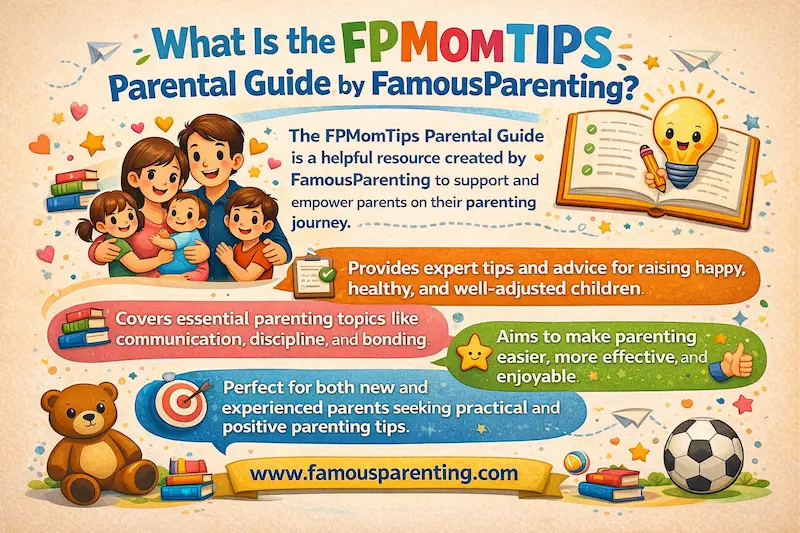
The FPMomTips parental guide by FamousParenting is a modern parenting approach that focuses on practical guidance, emotional awareness, and healthy family relationships.
Instead of strict or outdated parenting styles, it encourages a balanced strategy that includes:
- Positive communication
- Consistent discipline
- Emotional support
- Independence building
- Healthy routines
This approach helps parents guide their children while respecting their individuality and emotional needs.
Research by developmental psychologist Diana Baumrind shows that balanced parenting—often called authoritative parenting—helps children develop confidence, emotional control, and stronger decision-making skills.
You may also like to read it:
Blog WhatUTalkingBoutWillis – Complete Guide & Features
News Whatutalkingboutwillis – Guide to the Lifestyle Blog
Why Modern Parenting Is More Challenging
Parenting today is very different from previous generations. Families now face new challenges that require flexible and thoughtful parenting strategies.
Busy Family Schedules
Many parents balance demanding work schedules while managing household responsibilities. This often leaves limited time for meaningful family interactions.
Technology and Digital Exposure
Smartphones, tablets, and social media play a major role in children’s lives today. Without guidance, excessive screen time can affect sleep, focus, and emotional health.
Emotional and Social Pressures
Children today face academic competition, social expectations, and constant online influence. Parents must help them develop emotional resilience.
Changing Family Structures
Every family has unique dynamics. Parenting strategies must adapt to different lifestyles, cultures, and individual child personalities.
The FPMomTips parental guide by FamousParenting helps families navigate these modern challenges with practical solutions.
Core Principles of the FPMomTips Parenting Approach
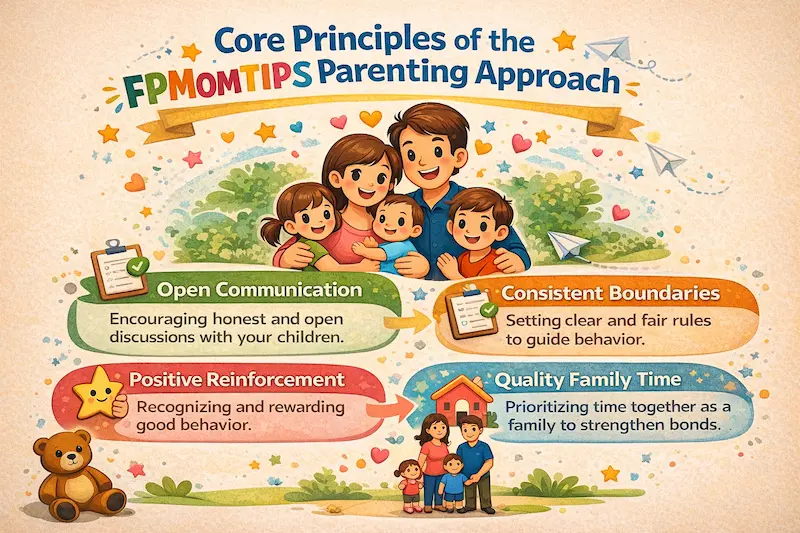
This parenting philosophy focuses on several essential principles that strengthen family relationships.
1. Emotional Understanding
Parents should acknowledge and validate children’s feelings instead of ignoring or dismissing them.
2. Positive Communication
Open conversations help children feel safe sharing thoughts and experiences.
3. Consistent Boundaries
Clear rules provide structure while helping children understand responsibility.
4. Encouraging Independence
Children grow when they are given opportunities to make decisions and solve problems.
5. Supportive Family Environment
A home built on respect, patience, and encouragement helps children thrive.
Building a Strong Parent-Child Relationship
A strong relationship between parents and children is the foundation of healthy development.
Children who feel supported and valued are more likely to develop confidence and emotional stability.
Parents can strengthen these bonds by:
- Spending quality time together
- Listening actively
- Showing empathy
- Encouraging open conversation
Even simple activities like family dinners, storytelling, or shared hobbies can strengthen emotional connections.
Positive Communication Techniques
Communication is the heart of successful parenting.
Parents who communicate effectively create an environment where children feel comfortable expressing emotions and ideas.
Effective Communication Tips
- Active listening: Give full attention when children speak
- Calm responses: Avoid reacting with anger or frustration
- Encourage expression: Let children talk about their feelings
- Ask open questions: For example, “How did that make you feel?”
Psychologist Daniel Goleman emphasizes that children who learn to express emotions clearly often develop stronger social skills and emotional intelligence.
Creating Healthy Daily Routines
Children thrive in environments that provide structure and consistency.
Simple routines can make family life calmer and more organized.
Morning Routine
Prepare school items the night before to reduce stress and improve time management.
Homework Routine
Set a quiet and consistent study time each day.
Bedtime Routine
Activities like reading, storytelling, or calming conversations help children relax and sleep better.
Consistent routines create a sense of security and responsibility.
Encouraging Independence in Children
Children need guidance, but they also need opportunities to develop independence.
Parents can promote independence by:
- Assigning age-appropriate responsibilities
- Allowing safe decision-making
- Encouraging problem-solving
- Praising effort instead of only results
For example, children can learn responsibility by helping with small household tasks like organizing toys or setting the table.
Teaching Emotional Intelligence
Emotional intelligence helps children understand their feelings and interact positively with others.
Parents can support emotional development by:
- Teaching children to recognize emotions
- Encouraging empathy toward others
- Demonstrating calm responses to stress
- Helping children express feelings through conversation
Children with strong emotional intelligence tend to develop healthier relationships and better coping skills.
Balanced Discipline Strategies
Discipline should guide children rather than punish them.
The FPMomTips approach encourages respectful and consistent discipline.
Effective Discipline Techniques
- Explain rules clearly
- Use logical consequences
- Stay consistent with expectations
- Correct behavior calmly
This helps children understand responsibility without damaging trust.
Managing Technology and Screen Time
Technology can be helpful when used responsibly, but excessive use can affect children’s development.
Parents can maintain balance by:
- Setting daily screen-time limits
- Creating device-free family time
- Encouraging outdoor play and hobbies
- Teaching responsible online behavior
Family rules about technology help children develop healthy digital habits.
Don’t skip reading it:
WhatUTalkingBoutWillis com – Guide to the Popular Lifestyle Blog
Being Authentic WhatUTalkingBoutWillis: Meaning & Life Guide
Parenting Tips by Age Group
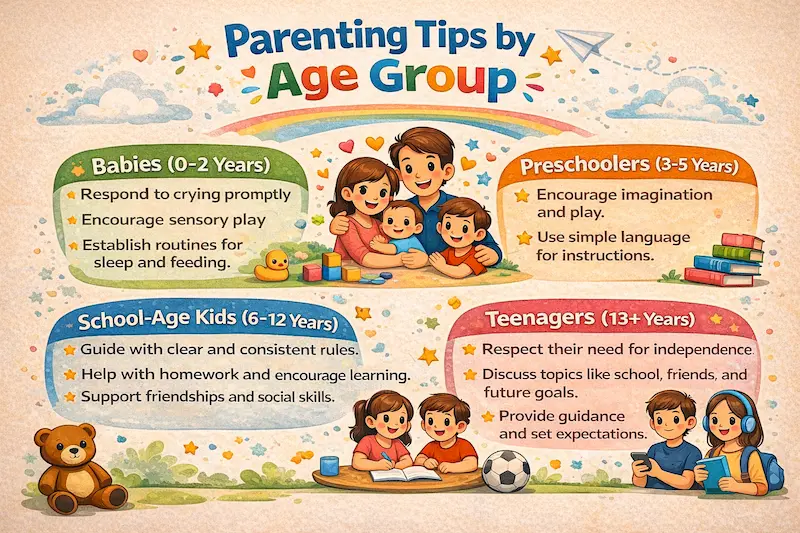
Different stages of childhood require different parenting approaches.
Toddlers (2–5 Years)
- Encourage curiosity and exploration
- Use simple instructions
- Focus on patience and routine
School-Age Children (6–12 Years)
- Teach responsibility through chores
- Encourage friendships and teamwork
- Support academic development
Teenagers
- Respect growing independence
- Maintain open communication
- Guide decision-making without controlling
Age-appropriate guidance helps children grow confidently.
Common Parenting Mistakes to Avoid
Even well-intentioned parents sometimes make mistakes.
Avoiding these common errors can improve family relationships.
- Overprotecting children
- Comparing siblings or classmates
- Being inconsistent with rules
- Ignoring children’s emotions
- Overusing punishment instead of guidance
Recognizing these patterns helps parents create healthier parenting habits.
Signs Your Parenting Approach Is Working
Parents often wonder whether their parenting strategies are effective.
Some positive signs include:
- Children communicate openly
- They show empathy toward others
- They accept responsibility for mistakes
- They demonstrate growing independence
These behaviors indicate healthy emotional and social development.
The Importance of Parental Self-Care
Parenting requires patience and emotional energy.
Parents who take care of their own well-being are better able to support their children.
Helpful self-care strategies include:
- Taking short breaks when needed
- Maintaining friendships and social support
- Practicing relaxation techniques
- Prioritizing sleep and health
Healthy parents create healthier family environments.
Building a Positive Family Environment
A supportive home environment helps children feel safe and motivated.
Families can nurture positivity by:
- Celebrating small achievements
- Practicing gratitude
- Encouraging teamwork
- Resolving conflicts respectfully
A home filled with encouragement and patience becomes a powerful foundation for children’s growth.
Conclusion
Parenting is a lifelong journey of learning, patience, and growth. Every family faces unique challenges, but thoughtful strategies can make parenting more fulfilling and effective.
The FPMomTips parental guide by FamousParenting offers practical insights that help parents navigate modern family life with confidence. By focusing on communication, emotional understanding, routines, balanced discipline, and independence, parents can raise children who feel secure, confident, and emotionally strong.
Successful parenting is not about perfection—it is about building meaningful relationships, guiding children with compassion, and growing together as a family.
FAQs
1. What is the FPMomTips parental guide by FamousParenting?
It is a parenting framework that provides practical advice for building healthy family relationships, encouraging emotional development, and guiding children effectively.
2. What parenting style is recommended in this guide?
The guide emphasizes balanced parenting that combines emotional support, clear rules, and respectful communication.
3. How can parents strengthen their relationship with children?
Parents can strengthen relationships by spending quality time, listening actively, showing empathy, and encouraging open conversations.
4. Why are routines important for children?
Routines provide stability and structure, helping children feel secure and develop responsibility.
5. How can parents manage children’s screen time?
Parents should set clear limits, encourage offline activities, create device-free family time, and teach responsible digital behavior.
6. What are signs of healthy parenting?
Children who communicate openly, show empathy, take responsibility, and develop independence often benefit from supportive parenting.
7. Why is parental self-care important?
Parents who maintain emotional and physical well-being are better equipped to respond calmly and guide their children effectively.