

Modern organizations are constantly adapting to new ways of working. Rapid technological development, global collaboration, and evolving workplace expectations have encouraged companies and teams to rethink traditional structures. In the past, organizations often relied heavily on rigid hierarchies, strict performance metrics, and clearly defined job roles. However, the modern work environment is becoming more flexible and collaborative.
Within this changing landscape, the concept of team disquantified org has gained attention as a new perspective on how teams operate and how performance can be understood. Rather than focusing solely on numerical measurements or rigid structures, this concept explores alternative ways of organizing people, evaluating outcomes, and encouraging collaboration.
Understanding this concept can help readers see how organizations are exploring more human-centered approaches to teamwork and productivity. This article explains the meaning of the concept, how it relates to organizational structures, its key principles, and the potential benefits and challenges it presents.
The Changing Nature of Modern Work
Workplaces today look very different from those of previous decades. Digital communication tools, remote work options, and cross-border collaboration have transformed how teams operate. Instead of working only in physical offices with strict reporting chains, many employees now work in distributed teams that rely on communication platforms and digital systems.
This transformation has also affected how organizations measure success. Traditional methods often relied on strict performance indicators such as output numbers, sales targets, or standardized productivity metrics. While these measurements can still be useful, they may not always capture the full value of teamwork, creativity, or innovation.
As a result, some organizations have started exploring models that emphasize collaboration, adaptability, and shared responsibility rather than purely numerical evaluation. The concept of team disquantified org reflects this shift in thinking.
These workplace changes have encouraged new discussions about organizational ideas such as team disquantified org, which focus on more flexible and collaborative ways of working.
You may also like it:
Digital Marketing in 2026 – Complete Guide and Strategy
51 Best Business Ideas for Teens in 2026 (Low Cost & Easy)
Money Disquantified Org – Guide to the Finance Learning Hub
Understanding the Meaning Behind the Concept
The idea behind team disquantified org can be understood by breaking down the concept itself. The term suggests moving away from excessive reliance on quantitative measurements when evaluating teams or organizational performance.
In many traditional organizations, success is measured through numbers such as productivity scores, sales figures, or performance rankings. While these indicators provide useful insights, they may overlook important factors such as teamwork, communication, creativity, and employee well-being.
The concept encourages organizations to balance numerical measurements with qualitative insights. In other words, success may also be evaluated through collaboration quality, problem-solving ability, and the overall impact of team efforts.
This approach does not eliminate measurable data. Instead, it suggests that numbers alone may not fully represent how effectively a team functions.
Why Organizations Are Exploring New Team Models
Several modern trends have encouraged organizations to reconsider how teams operate. These trends have influenced management practices across industries.
Remote and Distributed Work
The rise of remote work has changed how employees collaborate. Teams may now be spread across different cities or even different countries. In such environments, rigid management structures may become less effective, and flexible collaboration methods are often needed.
Complex Problem Solving
Many modern industries require teams to address complex challenges that demand creativity and innovation. Strict numerical performance metrics may not always capture the value of these contributions.
Emphasis on Employee Well-Being
Organizations are increasingly recognizing that employee engagement and satisfaction play important roles in productivity. A workplace that values collaboration and personal development may produce better long-term results.
Rapid Technological Change
Technology evolves quickly, and teams must adapt just as fast. Flexible structures can help organizations respond more effectively to new opportunities or challenges.
These factors have encouraged discussion around concepts such as team disquantified org, which emphasize adaptability and human-centered collaboration.
Key Principles Behind This Organizational Perspective
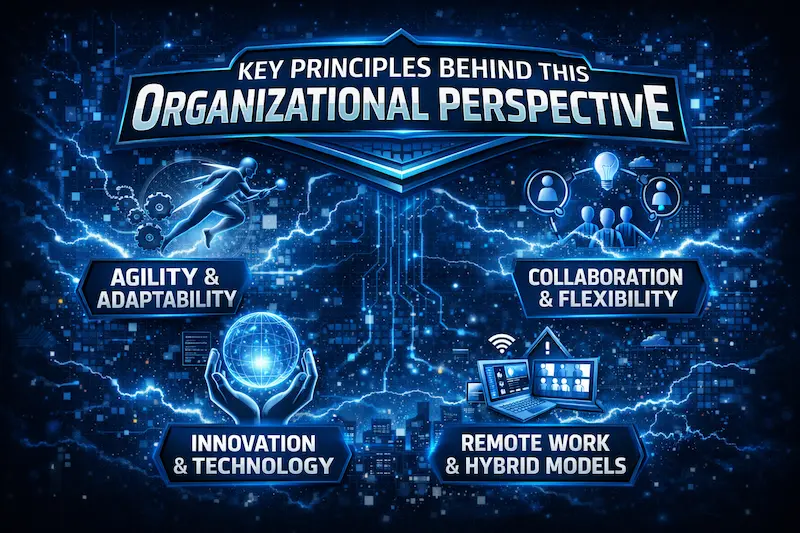
Several guiding ideas help explain how this concept works in practice. These principles focus on creating more balanced and collaborative work environments.
Flexibility in Team Structures
Instead of permanent teams with fixed roles, some organizations experiment with flexible group structures. Team members may join projects based on their skills, interests, or expertise.
This flexibility allows organizations to allocate talent where it is most needed.
Emphasis on Collaboration
Collaboration is often prioritized over internal competition. Teams focus on solving problems together rather than competing for individual performance rankings.
This approach may encourage stronger relationships among colleagues and improve collective outcomes.
Qualitative Evaluation
While numerical data can still play a role, organizations may also consider qualitative factors such as:
- Communication effectiveness
- Team problem-solving ability
- Creative contributions
- Knowledge sharing
These factors provide a broader picture of how teams perform.
Shared Responsibility
In some collaborative models, leadership responsibilities may rotate depending on project needs. Team members contribute their expertise rather than relying on a single fixed leader.
This shared responsibility can encourage stronger engagement from all participants.
Potential Benefits of This Approach
Exploring flexible team models can offer several potential advantages for organizations and employees.
Improved Innovation
When teams collaborate freely and focus on ideas rather than rigid structures, they may develop more creative solutions to complex problems.
Greater Employee Engagement
Employees often feel more motivated when their contributions are recognized beyond simple numerical performance metrics.
Faster Adaptation
Flexible teams may adapt more easily to changes in technology, market demands, or organizational goals.
Stronger Collaboration
By emphasizing teamwork rather than individual competition, organizations may encourage more open communication and knowledge sharing.
These benefits help explain why discussions about team disquantified org have become more common in conversations about modern workplace innovation.
Challenges and Considerations
Although the concept offers interesting possibilities, it also presents certain challenges. Organizations must carefully consider how to balance flexibility with structure.
Maintaining Accountability
Without clear performance indicators, it may become difficult to evaluate individual contributions. Organizations must develop fair and transparent methods of assessment.
Potential Role Confusion
Flexible teams may sometimes experience uncertainty about responsibilities. Clear communication and defined project goals are essential.
Cultural Adjustment
Organizations that have long relied on hierarchical systems may find it challenging to transition to more collaborative structures.
Balancing Data and Insight
While qualitative evaluation is important, completely ignoring measurable data could reduce transparency. Successful organizations often combine both approaches.
Addressing these challenges requires thoughtful planning and continuous evaluation.
You may also like it:
Undergrowthgameline Hosted by Under Growth Games – A Guide
ETSGamevent Registration Guide – How To Join Easily
Practical Examples of Collaborative Team Models
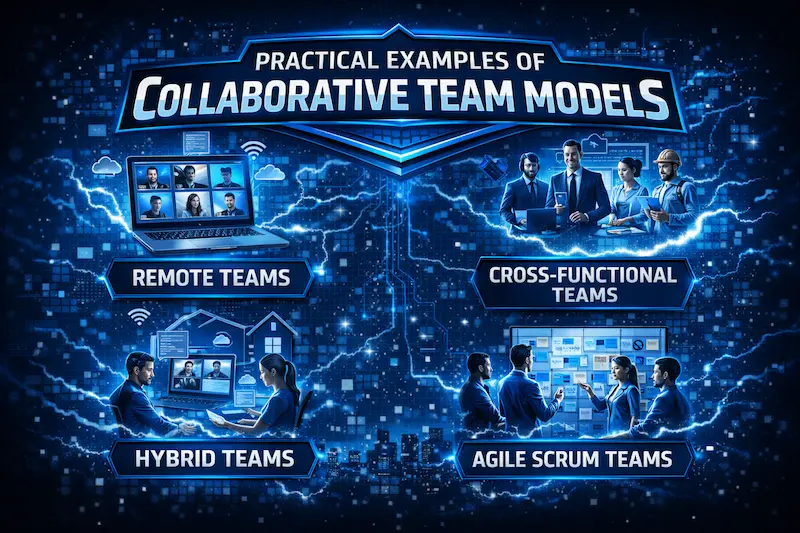
Different industries have experimented with flexible teamwork structures in various ways.
Technology Development Teams
Software development teams often use project-based collaboration models. Designers, programmers, and product specialists work together in short cycles to create and refine digital products.
Creative Industries
In creative environments such as media production or design, professionals may join projects temporarily based on their expertise.
Healthcare Collaboration
Medical teams sometimes bring together specialists from different fields to address complex patient needs.
Research and Innovation Groups
Research organizations frequently create cross-disciplinary teams to explore new ideas and technologies.
These examples show how flexible collaboration can be applied in many professional settings.
The Role of Communication and Trust
Successful teamwork depends heavily on communication and trust. In collaborative environments, individuals must share information openly and respect the expertise of their colleagues.
Clear communication channels help teams coordinate their efforts, avoid misunderstandings, and maintain focus on shared objectives.
Trust is equally important. When team members trust each other, they are more likely to contribute ideas, support one another, and work toward common goals.
In organizational models inspired by team disquantified org, these elements become especially important because traditional hierarchical controls may be less dominant.
Balancing Structure and Flexibility
One of the most important aspects of modern teamwork is finding the right balance between structure and flexibility. Too much structure can limit creativity, while too little structure may lead to confusion.
Organizations often achieve balance by combining several elements:
- Clear project goals
- Transparent communication systems
- Defined responsibilities within projects
- Both quantitative and qualitative evaluation methods
This balanced approach allows teams to remain organized while still benefiting from flexible collaboration.
Don’t miss reading it:
News Whatutalkingboutwillis – Guide to the Lifestyle Blog
WhatUTalkingBoutWillis com – Guide to the Popular Lifestyle Blog
Being Authentic WhatUTalkingBoutWillis: Meaning & Life Guide
The Future of Team-Based Work
As technology and workplace expectations continue to evolve, organizations are likely to keep experimenting with different team structures. Digital collaboration tools, global communication networks, and new management strategies will influence how people work together.
Concepts like team disquantified org highlight a growing interest in human-centered work environments that value collaboration, creativity, and adaptability. These ideas reflect a broader shift toward understanding work as a cooperative process rather than a purely measurable output.
While every organization must find its own approach, exploring new perspectives on teamwork can help companies adapt to the challenges of an increasingly complex world.
Conclusion
The modern workplace is undergoing a significant transformation. Traditional management systems that rely solely on rigid hierarchies and numerical performance metrics are gradually being complemented by more flexible and collaborative approaches.
The concept of team disquantified org represents one perspective on how organizations might rethink teamwork and evaluation methods. By balancing measurable data with qualitative insights, organizations can better understand how teams collaborate, innovate, and achieve meaningful outcomes.
Although this approach requires careful implementation and strong communication, it offers an opportunity to create workplaces that encourage creativity, adaptability, and shared success.
As organizations continue to evolve, understanding different perspectives on teamwork can help leaders and employees build stronger, more resilient teams.
Frequently Asked Questions
1. What does the term “team disquantified org” mean?
It refers to a concept where organizations reduce excessive reliance on numerical performance measurements and instead consider broader qualitative factors such as collaboration, creativity, and teamwork.
2. Why are organizations exploring flexible team models?
Modern work environments require adaptability, creativity, and collaboration. Flexible models allow teams to respond more effectively to complex challenges and rapid technological changes.
3. Does this approach completely remove performance metrics?
No. Numerical data can still be useful, but it is balanced with qualitative insights that reflect teamwork, communication, and innovation.
4. What industries might use collaborative team structures?
Industries such as technology development, creative media, healthcare, and research often use flexible team models to solve complex problems.
5. What challenges can arise from this approach?
Challenges may include maintaining accountability, preventing role confusion, and balancing flexibility with a clear organizational structure.
6. Is Team Disquantified Org suitable for all organizations?
Not necessarily. Different organizations have different operational needs. Some industries may require strict performance metrics, while others may benefit more from flexible collaboration models.